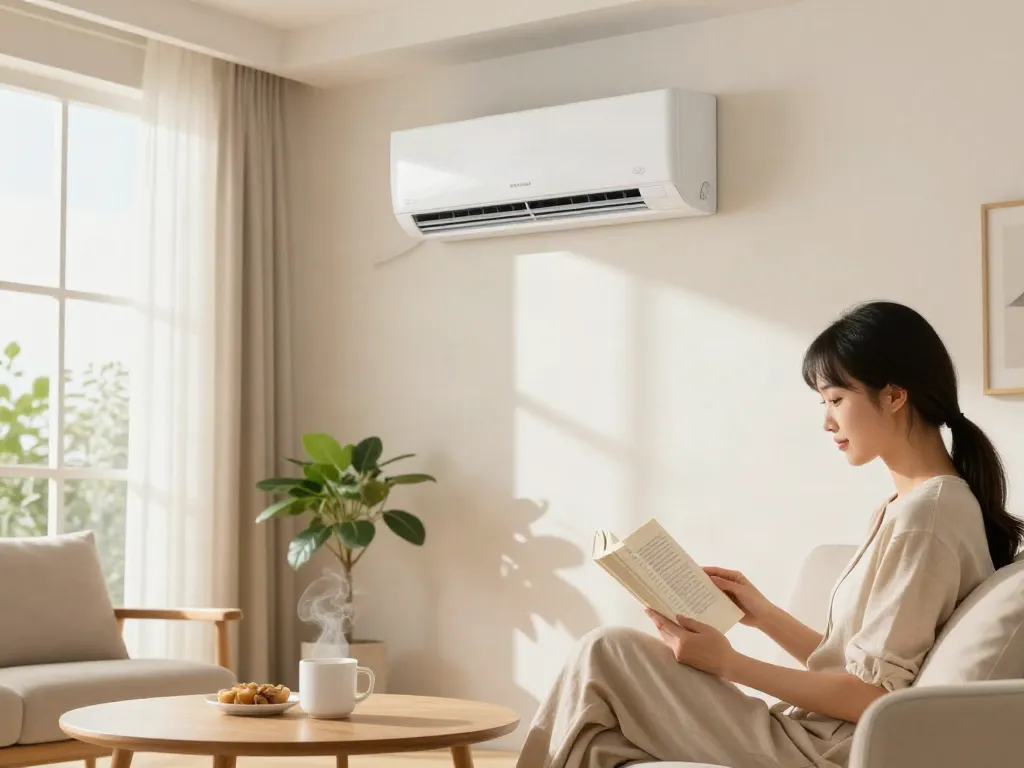
Understanding Ductless AC Systems
As homeowners increasingly seek efficient and flexible climate control solutions, ductless air conditioning systems, commonly known as ductless AC, have gained significant traction. These systems offer a compelling alternative to traditional central air conditioning units, particularly in homes without existing ductwork. In this comprehensive guide, we will explore what ductless AC systems are, how they work, and why they might be the ideal solution for your cooling and heating needs. When exploring options, ductless ac systems provide comprehensive insights into efficiency and performance.
What is a Ductless AC?
A ductless AC system, often referred to as a mini-split air conditioner, consists of two main components: an outdoor unit and one or more indoor air-handling units. Unlike traditional air conditioning systems that rely on extensive ductwork to distribute cooled air, ductless systems deliver conditioned air directly into individual rooms or zones. This design allows for greater energy efficiency and personalized comfort, making it particularly suitable for various spaces, including residential homes, offices, and even garages.
How Ductless AC Works: The Technology Behind It
Ductless AC systems operate using a refrigeration cycle similar to that of traditional air conditioning systems. The outdoor unit contains a compressor and condenser, while the indoor unit features an evaporator coil and fan. Here's how the process works:
- The outdoor unit extracts heat from the outside air, even in low temperatures.
- This heat is absorbed by the refrigerant, which is then compressed to increase its temperature and pressure.
- The heated refrigerant is pumped to the indoor unit, where it passes through the evaporator coil, releasing cool air into the room.
- The cycle repeats as the refrigerant returns to the outdoor unit to release the captured heat and continue cooling.
Comparing Ductless AC to Traditional Systems
When comparing ductless AC systems to traditional central air conditioning, several key differences emerge:
- Installation: Ductless systems are easier and less invasive to install since they require only a small hole for the refrigerant line, whereas central systems need extensive ductwork.
- Energy Efficiency: Ductless systems tend to have higher SEER (Seasonal Energy Efficiency Ratio) ratings, making them more energy-efficient than many traditional units.
- Control: With ductless systems, each indoor unit can be independently controlled, allowing for zoned heating and cooling to match the preferences of different occupants.
Benefits of Ductless AC for Homeowners
Energy Efficiency and Cost Savings
One of the most attractive benefits of ductless AC systems is their energy efficiency. By avoiding energy losses associated with ductwork, which can account for more than 30% of energy consumption in conventional systems, ductless units provide substantial cost savings on energy bills. Moreover, many ductless systems are equipped with inverter technology, allowing the compressor to adjust its speed according to the cooling demand, further enhancing efficiency.
Improved Air Quality and Comfort
Ductless AC systems contribute to improved indoor air quality by filtering allergens and pollutants before the air is circulated. This is particularly important for individuals with allergies or respiratory issues. Additionally, ductless systems allow for precise temperature control, enabling homeowners to maintain a comfortable environment tailored to their preferences, without the temperature fluctuations common in traditional systems.
Flexible Installation Options for Any Room
The versatility of ductless AC systems is unmatched. Whether you need to cool a single room, a newly added space, or even your entire home, ductless units can be adapted to fit various configurations. They are available in a range of styles, including wall-mounted, ceiling-mounted, and floor-mounted options, allowing for seamless integration into any interior design.
Common Misconceptions About Ductless AC
Are Ductless AC Systems Noisy?
Many homeowners worry that ductless AC systems may be noisy due to the outdoor unit. However, advancements in technology have led to quieter operation, with many models producing noise levels that are comparable to a whisper. Indoor units are designed to operate quietly, making them suitable for bedrooms, living rooms, and other noise-sensitive environments.
Do They Really Provide Sufficient Heating?
Yes, ductless AC systems can effectively heat spaces as well as cool them. Many models come with heating capabilities that utilize a heat pump mechanism. This allows the system to extract heat from the outside air, even in colder conditions. Homeowners can benefit from year-round comfort without the need for additional heating systems.
Understanding Installation Costs and Requirements
While ductless AC systems may have a higher upfront cost than traditional units, the long-term savings through energy efficiency often outweigh the initial investment. Installation requires a licensed technician to ensure proper setup and compliance with local building codes. It's essential to obtain multiple quotes from qualified installers to determine the best value.
Best Practices for Choosing Ductless AC
Factors to Consider When Selecting a System
When choosing a ductless AC system, consider factors such as:
- Cooling Capacity: Ensure the unit has the appropriate BTU rating for the size of the room.
- Energy Efficiency Ratings: Look for systems with high SEER ratings for optimal energy savings.
- Features: Consider models with programmable thermostats, remote controls, and smart technology integration.
Top Brands and Models for 2026
As the market for ductless AC systems continues to expand, several brands stand out for their quality and performance. Some top brands for 2026 include:
- Daikin: Known for advanced technology and superior efficiency.
- Mitsubishi Electric: Offers a robust selection of models suitable for various applications.
- Senville: Provides competitively priced, high-performance units perfect for budget-conscious homeowners.
Professional Installation versus DIY: What to Know
While DIY installation may seem appealing, ductless AC systems require technical expertise to ensure efficient operation and compliance with safety standards. It's advisable to engage a professional installer for the best results, as they can offer warranties and ongoing support, ensuring the longevity and reliability of your system.
The Future of Cooling: Trends in Ductless Technology
Emerging Features and Smart Technology Integration
As technology evolves, so do ductless AC systems. Emerging features include Wi-Fi connectivity, allowing users to control their units remotely via smartphone apps. This convenience aligns with modern smart home technologies, making it easy to adjust settings from anywhere.
Environmental Impact and Sustainability
With increasing concerns about climate change, many manufacturers are focusing on creating environmentally friendly refrigerants and energy-efficient systems designed to reduce carbon footprints. The trend towards sustainability in ductless systems is expected to grow, driven by consumer demand for eco-friendly solutions.
Predictions for Ductless Systems in 2026 and Beyond
Looking ahead, the ductless AC market is expected to expand further as homeowners recognize their benefits. Innovations in energy efficiency and smart technology will continue to transform how we approach heating and cooling, making ductless systems a mainstream choice for climate control by 2026 and beyond.
What are the installation requirements for ductless AC?
Installation typically requires a small hole in the wall for connecting the indoor and outdoor units. Adequate electrical supply and proximity to the outdoor unit are also essential.
How does ductless AC affect energy bills?
By eliminating energy losses associated with ductwork and utilizing inverter technology, ductless systems can significantly reduce monthly energy expenses.
What maintenance is required for ductless AC systems?
Regular maintenance includes cleaning or replacing filters every few months, checking refrigerant levels, and scheduling annual professional inspections to ensure systems operate efficiently.
Can ductless AC systems be used for heating?
Yes, many ductless systems feature reversible heat pumps, making them suitable for efficient heating in addition to cooling.
What are the most common issues with ductless AC systems?
Common issues may include refrigerant leaks, improper installation, and lack of maintenance, leading to reduced efficiency and comfort.