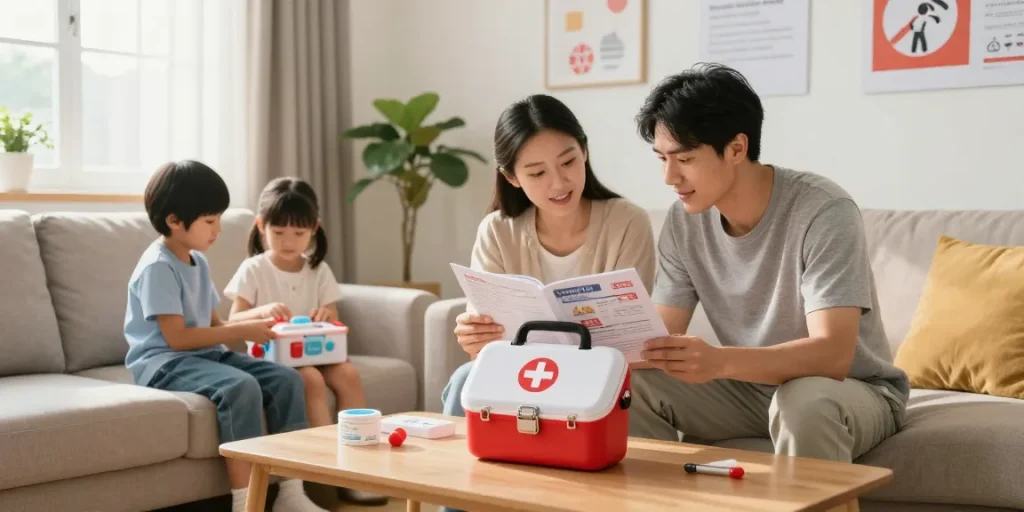
Understanding the Importance of a First Aid Box
A well-stocked first aid box is an essential item in every home, workplace, and vehicle. Its purpose is not limited to bandaging minor cuts and scrapes; it extends to managing serious medical emergencies that could potentially save lives. The importance of a first aid box becomes especially clear during unforeseen incidents, whether it’s a sporting injury, a household accident, or a sudden health crisis. This comprehensive guide explores the essential components of a first aid box, its role in emergency preparedness, and common misconceptions that might lead to inadequate emergency response planning.
What Should Be Included in Your First Aid Box?
Creating a well-equipped first aid box is crucial for addressing a variety of medical situations. Here are the key elements you should include:
- Adhesive Bandages: Various sizes for minor cuts and abrasions.
- Gauze Pads: For larger wounds and to control bleeding.
- Antiseptic Wipes: To clean wounds and prevent infection.
- Medical Tape: To secure dressings in place.
- Antibiotic Ointment: To apply on wounds to prevent infection.
- Burn Cream or Gel: For treating minor burns.
- Pain Relievers: Over-the-counter medications such as ibuprofen or acetaminophen.
- Scissors and Tweezers: For cutting tape, gauze, and removing splinters.
- Instant Cold Packs: To reduce swelling and numb pain.
- Gloves: Disposable gloves to protect both the caregiver and the patient.
The Role of a First Aid Box in Emergency Preparedness
Having a first aid box readily available is not just about being prepared for small injuries; it also plays a critical role in overall emergency preparedness. In a situation where professional medical help may be delayed, having the necessary supplies at your disposal allows you to effectively manage injuries and potentially life-threatening conditions while awaiting assistance. Ensuring that all family members know where the first aid box is stored and how to use its contents can greatly improve response times in emergencies.
Common Misconceptions About First Aid Boxes
Many individuals harbor misconceptions about first aid boxes that can hinder effective emergency responses. For instance, some believe a first aid box is only necessary for homes with children or elderly individuals. However, accidents can occur at any age and in any place; thus, everyone should have access to first aid supplies. Others might think that if they don’t have specialized medical training, they shouldn’t attempt to use the supplies. In reality, most first aid supplies are designed for laypersons and can be used effectively with the right guidelines.
Best Practices for Using a First Aid Box
How to Effectively Utilize First Aid Supplies
Knowing how to use the items in your first aid box is just as important as having them on hand. Familiarize yourself with each item and its use by reading the instructions, which can usually be found on the packaging. Additionally, practicing basic first aid skills, such as applying bandages and using antiseptic, can bolster your confidence and effectiveness in an emergency. Regularly reviewing your first aid knowledge and practicing skills can prepare you for real-life situations.
Step-by-Step Guide to Treat Common Injuries
Understanding how to handle various injuries can make a significant difference in the outcome. Here’s a brief guide on treating common injuries:
- Minor Cuts and Scrapes: Clean the wound with soap and water, apply antiseptic, and cover with a bandage.
- Burns: For minor burns, cool the area under running water for at least 10 minutes, and apply burn cream.
- Sprains: Rest the area, apply ice, compress with a wrap, and elevate.
- Allergic Reactions: For mild reactions, antihistamines can be effective. For severe reactions, seek emergency help immediately.
When to Seek Professional Medical Help
While first aid can address many situations, knowing when to seek professional medical help is vital. You should contact emergency services or head to your nearest hospital if you suspect a heart attack, stroke, severe allergic reaction, or if a wound is bleeding profusely and does not stop after applying pressure. Always err on the side of caution when it comes to your health and well-being.
Keeping Your First Aid Box Up-to-Date
How to Regularly Check and Replenish Supplies
Regularly checking the contents of your first aid box is crucial for ensuring that you have all necessary supplies in case of an emergency. Set a reminder to review the box every six months. Inspect each item for expiration dates, and replace any expired items promptly. Keeping an inventory list within the first aid box can help you track what needs to be restocked.
Adapting Your First Aid Box for Seasonal Changes
As seasons change, so do the types of injuries and ailments that may arise. For instance, during winter, consider adding items such as anti-chafing cream or additional cold packs for treating sprains from ice-related accidents. In summer, sunscreen and insect bite relief can be added to prepare for outdoor activities. Tailoring your first aid box to address seasonal needs can enhance its effectiveness.
Understanding Expiration Dates of Medical Supplies
Many items in a first aid box come with expiration dates that often go unnoticed. Supplies like ointments, creams, and medications can lose their efficacy once expired. Always check the dates and replace outdated items. Familiarize yourself with the lifespan of each item to maintain your first aid box’s reliability.
Educational Resources for Families
Where to Find First Aid Training Courses
Education plays a vital role in emergency preparedness. Many organizations, including the Red Cross and local hospitals, offer first aid training courses for families. Online platforms also host courses that can be taken at your convenience. Enroll in a course to better understand first aid practices, which can empower you to respond effectively in emergencies.
Recommended Books and First Aid App Suggestions
Numerous resources can aid you in enhancing your first aid knowledge. Consider reading books like “First Aid Manual” published by the St. John Ambulance, which provides comprehensive information on various emergencies. Additionally, mobile apps such as “First Aid by American Red Cross” offer step-by-step tips and guidance right at your fingertips, making them excellent tools for learning and reference.
Community Workshops and Events on Health Safety
Engaging with your community can also provide valuable learning experiences. Many local health organizations host workshops that cover first aid techniques and emergency response strategies. Participating in these events fosters not only individual knowledge but also community preparedness.
Future Trends in First Aid and Emergency Preparedness
Innovative Technologies for First Aid Management
The landscape of first aid is rapidly evolving, with innovative technologies emerging that can enhance emergency response capabilities. Smart first aid kits equipped with tracking features and mobile app compatibility can alert users when supplies are running low or approaching expiration. Additionally, advances in telemedicine allow individuals to consult with healthcare professionals in real-time, providing critical guidance during emergencies.
Predictions for Health and Safety Regulations by 2026
As health and safety regulations evolve, it is anticipated that first aid training will become more integrated into educational curriculums and workplace training programs. By 2026, employers may be required to provide comprehensive first aid training to employees, ensuring that more individuals are equipped to handle emergencies effectively.
Emerging Health Risks and How to Prepare
Emerging health risks, such as climate-related health issues and infectious diseases, will continue to shape the landscape of emergency preparedness. Preparing for these challenges requires adaptability in first aid response. Keeping informed about health trends and potential risks will help you refine your first aid box to address these evolving concerns.
What are Common First Aid Questions?
Addressing common questions about first aid can help demystify the subject and enhance preparedness. Some frequently asked questions include:
- What should I do if someone has a seizure?
- How do I perform CPR?
- When should I use a tourniquet?
How Often Should You Replace Supplies in Your First Aid Box?
As mentioned earlier, it’s essential to replace supplies regularly, with a recommended frequency of every six months. Checking expiration dates and replenishing items promptly ensures that your first aid box is always ready for emergencies.
Can You Build a DIY First Aid Box?
A DIY first aid box is not only possible but can also be tailored to your specific needs. Start with a sturdy container and include essential supplies based on the risks you face, whether at home, in your vehicle, or on outdoor adventures. Consider personal medications and specialized items necessary for any family members with unique health conditions.
What Types of First Aid Boxes Are Best for Families?
For families, a comprehensive first aid kit that includes a variety of supplies is ideal. Look for kits that contain essential items for both adults and children, including pediatric medications and equipment suited for child-related injuries. Having a customizable box allows you to adapt its contents to your family’s needs.
How Important is First Aid Training?
First aid training is invaluable. It not only equips individuals with the knowledge and skills necessary to provide effective care but also instills confidence in their ability to respond during crises. Training can mean the difference between life and death, especially in emergency situations where every second counts.
What to Do in Case of Severe Allergic Reactions?
For severe allergic reactions, immediately administer an epinephrine auto-injector if available and call emergency services. Monitor the individual’s symptoms closely and be prepared to provide CPR if they stop breathing. It’s crucial to have a plan in place, especially for individuals known to have severe allergies.


More Stories
Understanding the Impact of Nutrition on Mental Health
Understanding the Impact of Nutrition on Mental Health